Working out the cleaning equipment you need before your first job saves you money and stops you buying things you will never use. When you are starting out, it is tempting to fill a trolley with gadgets, but most professional cleaners get excellent results with a fairly short list of reliable, well chosen kit.
This guide walks through the core products, tools and safety items a new UK cleaning business actually needs, what can safely wait until you have paying clients, and how to prioritise your spend when cash is tight. We will keep it practical, avoid inventing prices, and focus on kit that lasts.
Whether you are cleaning homes, offices, ovens or carpets, the same principles apply: buy fewer, better items, look after them, and store your chemicals safely. Let us get into it.
Start With the Cleaning Equipment You Need, Not the Nice to Haves
The single biggest mistake new cleaners make is overspending on day one. You do not need every colour of microfibre cloth or a professional grade machine before you have a single booking. Focus first on the cleaning equipment you need to complete the jobs you already have or expect to win.
A good rule of thumb is to buy what lets you do a thorough, safe, professional clean of a typical property, then add specialist kit only when a specific job pays for it. If you land a one off carpet clean, that is the moment to hire or buy a carpet machine, not before.
Split your list into three buckets: essentials you need from job one, useful items that improve speed and finish, and specialist kit tied to particular services. Spend hard on the first bucket and be patient with the rest.
Core Cleaning Products
Most everyday cleaning is done with a small range of good quality products. You do not need a different bottle for every surface. A sensible starter set covers the vast majority of domestic and light commercial work.
- A multi surface cleaner for general kitchen and living areas
- A bathroom cleaner or limescale remover for taps, tiles and glass
- A cream cleaner for sinks, hobs and stubborn marks
- A degreaser for kitchens and ovens
- A disinfectant for toilets, bins and high touch points
- Glass and window cleaner for mirrors and interior glass
- A floor cleaner suited to the surfaces you meet most
Buy concentrates where you can, as they work out cheaper per clean and take up less space in your car. Always follow the dilution instructions on the label, both for safety and so the product actually works as intended.
Tools and Cloths That Do the Heavy Lifting
Your cloths and tools matter as much as your products. Microfibre cloths are the workhorse of modern cleaning because they lift dirt effectively and can be washed and reused many times. Use a simple colour coding system so bathroom cloths never touch kitchen surfaces.
- A stack of microfibre cloths in at least three colours
- Non scratch sponges and scourers
- A selection of brushes, including a grout or detail brush
- A squeegee for glass and shower screens
- Rubber gloves in a couple of sizes
- A telescopic duster for high corners and ceilings
Colour coding is not just tidiness. It reduces the risk of spreading bacteria between areas, which is exactly the kind of professional standard that reassures clients and earns repeat work.
A Reliable Vacuum Cleaner
Your vacuum is one of the few areas where it pays to invest early. A domestic bargain model will struggle with daily commercial use and let you down at the worst moment. Look for something with strong suction, a decent capacity and easy to replace parts.
Think about weight too, especially if you work alone and carry kit up stairs. A vacuum that is powerful but back breaking to lug around will slow you down every single day. If you plan to clean carpets and hard floors, choose a model that handles both well.
Keep a spare set of bags or a clean filter in the car. A blocked vacuum mid job is frustrating, and a quick swap keeps you moving.
A Practical Mop and Floor System
For floors, a good flat mop system with washable microfibre pads gives a better finish than an old string mop and dries faster. It is lighter to carry and easier to keep hygienic between properties.
Carry a two bucket setup, or a mop with a wringer, so you are not spreading dirty water around. Fresh water and a clean pad for each property is the professional standard clients notice, even if they could not tell you why the floor looks so good.
A Sturdy Caddy to Keep It Organised
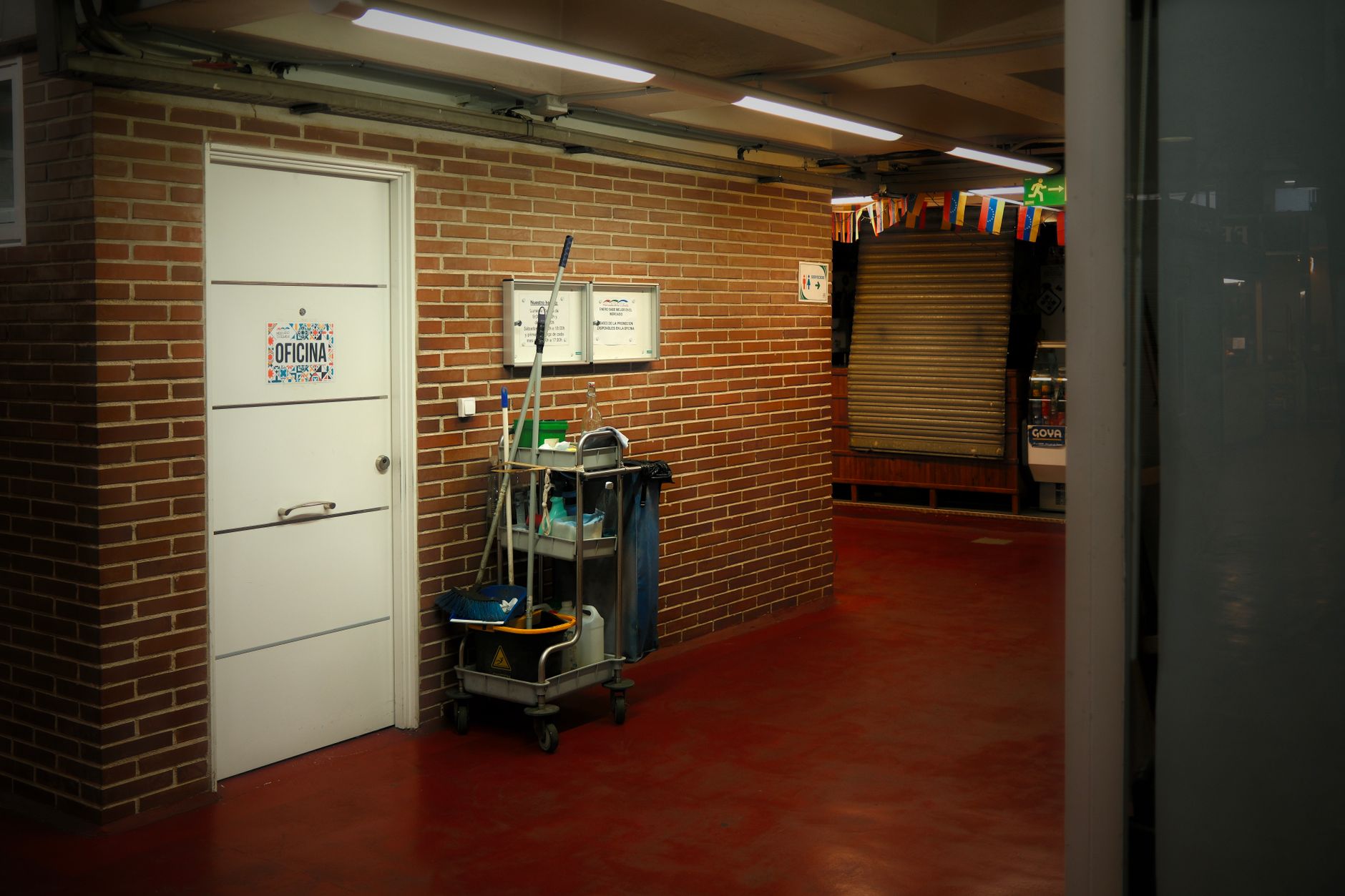
A cleaning caddy keeps your most used products and cloths in one place so you can carry everything from room to room without trips back to the car. It looks professional, saves time and stops bottles rolling around your boot.
Choose one that is strong, easy to wipe clean and comfortable to carry when full. Keep it tidy and restock it at the end of each day so you never arrive at a job missing something. Small habits like this separate a slick operation from a chaotic one.
Personal Protective Equipment
PPE protects you, and you will be using products and doing repetitive tasks day in, day out. At a minimum, keep a good supply of gloves, and add eye protection and a mask for jobs involving strong chemicals, dust or oven cleaning.
- Disposable and reusable gloves
- Safety glasses for splashing hazards
- Masks for dusty or fume heavy tasks
- Non slip footwear for wet floors
- Knee pads if you do a lot of floor and bathroom work
Looking after your body is a business decision. Aches, skin irritation and injuries cost you working days, so treat PPE as essential kit rather than an optional extra.
Safe Storage and Transport of Chemicals
Cleaning chemicals need to be stored and carried safely. Keep them upright, tightly closed and away from heat, and never decant them into unlabelled bottles. If you dilute concentrates, label the spray bottle clearly with what is inside.
Under UK rules, businesses that use hazardous substances have duties under COSHH, the Control of Substances Hazardous to Health. In plain terms, that means understanding the products you use, storing them safely and protecting yourself and others. The HSE guidance on COSHH is a clear, free place to understand your responsibilities.
Never mix products, especially anything containing bleach with anything containing acid or ammonia, as this can create dangerous fumes. Keep safety data sheets for the products you use and store chemicals securely in your vehicle so nothing spills or tips over in transit.
Specialist Kit You Can Add Later
Once you know which services actually bring in money, you can invest in specialist equipment. Buying this too early ties up cash you might need elsewhere. Add it when a job or a run of bookings justifies it.
- A carpet extraction machine for carpet and upholstery work
- A steam cleaner for deep cleans and sanitising
- Oven cleaning dip tanks and specialist products
- A pressure washer for driveways and patios
- Ladders and reach and wash poles for windows
Many of these can be hired at first, letting you take on the job, get paid and decide whether the demand is there before you commit. If you find carpet work becoming regular, our guide on how to get carpet cleaning clients will help you build that side of the business steadily.
How to Prioritise Your Spend
If money is tight, spend in this order. First, buy the core products, cloths and PPE so you can work safely and to a high standard. Second, invest in a reliable vacuum and floor system. Third, add a smart caddy and colour coding. Only then look at specialist machines.
Resist the pull of shiny gadgets promising to save hours. Most of the time, good technique with simple kit beats an expensive machine you barely use. As your bookings grow, reinvest a slice of your income into better equipment rather than borrowing for it all upfront.
For a wider view of setting up properly, from registering your business to insurance, our article on how to start a cleaning business in the UK the smart way covers the steps that sit alongside your equipment list.
Look After Your Kit and It Will Last
Good equipment lasts far longer when you maintain it. Wash microfibre cloths without fabric softener, which clogs the fibres. Empty and clean your vacuum regularly. Rinse mops and let them dry rather than leaving them damp in a bucket, which breeds bacteria and smells.
Keep a small maintenance routine at the end of each week: check for worn parts, restock consumables and clean your caddy. Reliable kit means fewer surprises on the job and a more professional finish every time.
Turning Good Work Into More Bookings
Great equipment gives you results worth talking about, but clients still need to find you. Once you are delivering a spotless finish, the next step is making sure new customers can see what you offer and how to book you. A tidy, professional website that lists your services and area does a lot of quiet selling for you.
Many cleaners start with social media, and it has its place, but a proper website works even when you are asleep and turns searchers into enquiries. If you are weighing up your options, our comparison of Facebook versus a website for cleaning businesses lays out the pros and cons clearly.
With CleaningProWebsites.com the whole thing is fully managed for you. You tell us what you clean and where, and we design, build, host and update the site so you never have to touch it. That leaves you free to focus on the work and the kit that gets it done.
Frequently Asked Questions
What is the minimum cleaning equipment you need to start?
At a bare minimum you need a small range of quality cleaning products, microfibre cloths in colour coded groups, gloves and other PPE, a reliable vacuum and a mop system. A caddy to carry it all makes you faster and more organised. Specialist machines can wait until specific jobs pay for them.
Do I need special training to handle cleaning chemicals?
You do not need a formal qualification to start, but you must understand the products you use and store them safely under COSHH rules. Read the labels, follow dilution instructions, never mix products and keep safety data sheets. Simple, sensible handling protects you and your clients.
Should I buy or hire specialist machines?
When you are starting out, hiring specialist kit like carpet extractors or pressure washers is often the smart choice. It lets you take the job, get paid and test demand without a large upfront outlay. Once that work becomes regular, buying your own machine usually makes sense.
Once your kit is sorted and the work is flowing, a professional website keeps new enquiries coming in. Take a look at our managed website packages from £24.99 +VAT/mo, or get in touch and we will build and manage the whole thing for you so you can concentrate on the cleaning.