Employers liability insurance is one of those things most cleaning business owners ignore until the day they take on their first helper, and that is exactly the moment it stops being optional. In the UK it is not a nice-to-have or a box ticked for bigger firms. It is a legal requirement the second you employ someone, even if that someone is your neighbour doing a few hours on a Saturday.
This guide is written for cleaners who are growing. Maybe you have more work than hours, maybe a regular client has asked you to take on their offices, or maybe your partner has started helping with end of tenancy jobs. Whatever has brought you here, the rules around employing people are stricter than most people expect, and the penalties for getting it wrong are serious.
We will cover what the cover does, when it kicks in, who counts as an employee, the subcontractor trap that catches so many cleaning firms, and how to show clients you are properly covered without drowning them in paperwork.
What employers liability insurance actually is
Employers liability insurance pays out when someone who works for you is injured or becomes ill because of that work, and they make a claim against your business. It covers compensation and legal costs, which are often the bigger of the two.
In cleaning, the claims you would expect are the ones that happen: a slip on a wet floor, a back injury lifting a commercial vacuum, a chemical burn from a product decanted into the wrong bottle, a fall from a step ladder while reaching a high window. These are not rare events in our industry.
Without cover, that compensation comes out of your own pocket. If you trade as a sole trader, that means your personal money and assets. Even a modest claim with legal fees attached can be enough to finish a small cleaning business.
When employers liability insurance becomes a legal requirement
The simple rule is this: as soon as you employ anyone, you need employers liability insurance. The legal duty comes from the Employers’ Liability (Compulsory Insurance) Act 1969, and it applies to businesses of every size, including one-person operations that take on a single part time cleaner.
You do not get a grace period while you “see how it goes”. The cover needs to be in place from the first day that person works for you. There is no threshold of hours, no minimum wage bill and no exemption for trial shifts.
The main exceptions are narrow. Family businesses where everyone who works for you is a close relative, and companies with a single employee who also owns at least half the shares, may not need it. You can check your position on the official gov.uk guidance on employers’ liability insurance, and if there is any doubt at all, speak to your insurer or accountant rather than guessing.
Who counts as an employee in a cleaning business
This is where cleaners get caught out. “Employee” is far broader than a full time member of staff on a proper contract with a payslip. For insurance purposes, you should assume you need cover for anyone you direct, supervise or control.
- Part time cleaners who do a few hours a week
- Casual or occasional staff who cover holidays and sickness
- Anyone on a trial shift or working a “let’s see how you get on” day
- Students, apprentices and anyone on work experience, paid or unpaid
- Family members who are not covered by the family business exemption
- Friends helping out on a big end of tenancy or builders clean
The last two catch people out constantly. If you pay your mate £80 cash to help you strip and seal a floor and they put their back out, they can still bring a claim. Nobody expects a friend to sue, right up until the point they cannot work for six months.
The subcontractor trap most cleaning firms fall into
Lots of cleaning business owners believe that labelling someone a subcontractor removes the need for employers liability insurance. Sometimes it does. Often it does not, and the label on the invoice is not what decides it.
Insurers and the courts look at how the relationship works in practice. A genuinely independent subcontractor, sometimes called a bona fide subcontractor, usually has their own public liability insurance, supplies their own equipment and materials, decides how the work is done, can send someone else in their place and works for other clients too.
By contrast, if you tell them which houses to clean, what time to arrive, what products to use, you supply the kit and the uniform, and they only work for you, that looks a lot like employment regardless of what you call it. In that case your employers liability insurance needs to cover them.
Practical steps that keep you on the right side of this:
- Ask every subcontractor for a copy of their own public liability certificate and diary a reminder for renewal
- Keep written agreements that reflect how the work genuinely happens
- Tell your insurer honestly how many subcontractors you use and what they do
- If the line is blurry, cover them. The extra premium is far cheaper than a disputed claim
If you are at the stage of building a team, our guide on how to hire cleaning staff and build a team you can trust walks through the recruitment side that sits alongside all of this.
Employers liability insurance vs public liability insurance
These two get mixed up constantly, and the difference matters because having one does not give you the other.
Public liability covers harm to members of the public or damage to their property. Think of knocking a vase off a shelf, scratching a hardwood floor with a machine, or a client slipping on a wet floor you have just mopped.
Employers liability insurance covers harm to the people who work for you. Same slip, different person, completely different policy. If your cleaner slips on that same floor, it is an employers liability claim, not a public liability one.
Most insurers sell both together as a package for cleaning businesses, which is usually the easiest route. For a broader look at the other cover types worth considering, including treatment risk and equipment cover, read our guide to cleaning business insurance in the UK.
What employers liability insurance typically covers
Policies vary, so read your schedule, but in general employers liability insurance responds to:
- Compensation awarded to an employee for injury or illness caused by their work
- Legal defence costs, including solicitors and expert reports
- Claims brought after someone has left your employment, sometimes years later
- Occupational illness such as dermatitis from repeated chemical contact, or respiratory problems
That last point is worth pausing on. Cleaning involves daily contact with chemicals and repetitive physical work. Skin conditions and musculoskeletal injuries build up over time, and a claim can arrive long after the person has moved on. That is why insurers and clients care about this more than you might expect.
How much cover you need and what the minimum means
The legal minimum level of employers liability insurance in the UK is £5 million. In practice, almost every insurer offers £10 million as standard, because it costs them little more and keeps brokers and clients happy.
Commercial clients frequently specify minimum cover levels in their contracts, and £10 million employers liability is a common requirement for office, school and healthcare work. If you are chasing bigger contracts, check the tender documents before you quote, not after you win.
We will not quote premiums here because they depend on your wage bill, the work you do, your claims history and where you operate. Get at least three quotes, and make sure each one is priced on the same information so you are comparing like with like.
Your certificate: displaying it and keeping records
When you buy employers liability insurance, your insurer issues a certificate. You must make it available to your employees, which in a modern cleaning business usually means displaying it at your business premises and sharing a copy electronically with staff who work off site.
Keep old certificates too. Because occupational illness claims can surface years down the line, being able to prove who insured you in a given year is genuinely useful. Scan them, save them in a dated folder and back them up somewhere other than the laptop in your van.
Clients, letting agents and facilities managers will ask for a copy during onboarding. Having it ready in seconds rather than hunting through emails makes you look like the organised professional you are trying to be.
What happens if you do not have it
The Health and Safety Executive enforces the requirement, and inspectors can ask to see your certificate. Trading without valid employers liability insurance when you are legally required to have it can lead to a fine for each day you are uninsured, with a separate penalty for failing to display or produce the certificate on request.
The bigger risk is not the fine. It is facing a serious injury claim with no insurer behind you. Legal costs alone can run into tens of thousands before any compensation is decided.
There is a reputational cost too. Commercial clients run checks, and a gap in cover is the sort of thing that quietly ends a contract renewal without anyone telling you why.
What affects what you pay
Insurers price employers liability insurance on risk, and you have more influence over that than you might think. Typical factors include:
- Your total wage bill, which is the main rating factor for most insurers
- The type of cleaning you do, with working at height and industrial sites rated higher than domestic
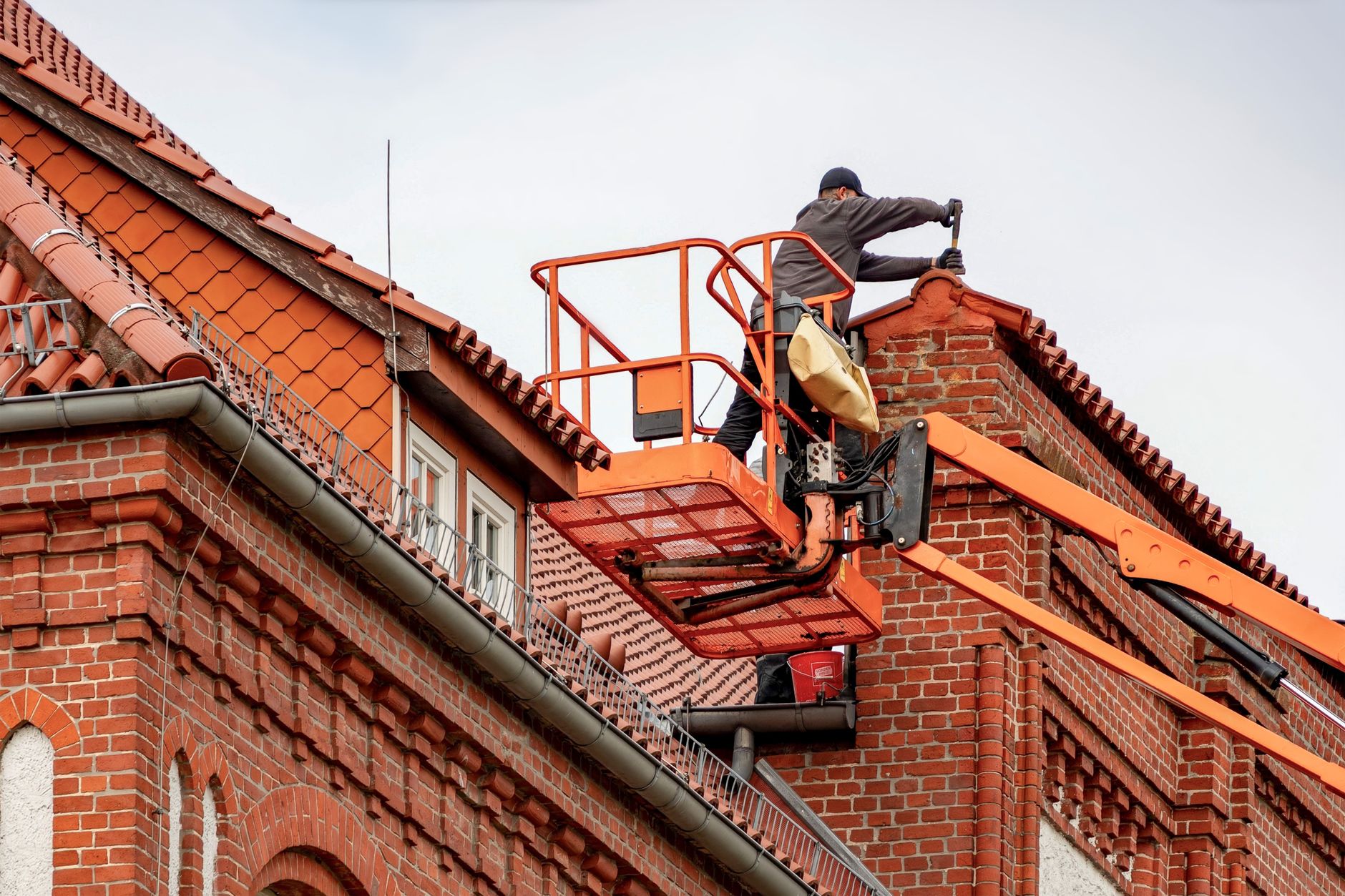
- Whether you use ladders, cherry pickers, pressure washers or strong chemicals
- Your claims history over the past few years
- The training and risk assessments you can evidence
Declare everything accurately. If you tell an insurer you only do domestic work and then take on a three storey gutter clean, you may find the claim is disputed at the worst possible moment.
Cut your risk before you need to claim
The best employers liability insurance policy is the one you never use. Sensible habits reduce both injuries and premiums over time.
- Write a simple risk assessment for each type of job you take on and review it yearly
- Keep COSHH sheets for every chemical and never decant products into unlabelled bottles
- Provide gloves, eye protection and proper footwear, and replace them when they wear out
- Train staff on safe lifting, ladder use and wet floor signage, and record that you did
- Report and log every near miss as well as every accident
- Check that staff know how to refuse an unsafe task without fear of losing hours
Documentation matters as much as the training itself. If a claim lands, your signed training records and risk assessments are what your insurer will use to defend you.
How proper cover helps you win better work
Insurance is usually filed under cost, but in commercial cleaning it is a selling point. Office managers, schools, letting agents and property managers all have to justify their choice of supplier. A cleaner with full employers liability insurance, public liability, trained staff and documented procedures is an easy choice to defend.
Plenty of smaller competitors cannot tick those boxes, so say it clearly. Mention your cover levels on your quotes, in your email signature and on your website. You are not boasting, you are removing a reason for someone to say no.
It is one of the quiet trust signals that influences buying decisions. Our article on how customers choose a cleaner covers the rest of them.
Putting it on your website the right way
A trust section on your site does a lot of work while you are out cleaning. Keep it factual and keep it current:
- State that you hold employers liability insurance and public liability, with cover levels
- Mention DBS checked staff if that applies, and link to your checks policy
- List relevant training and any trade memberships
- Add a short line about your health and safety approach, including COSHH
- Offer to send certificates on request through your contact form
Do not post full certificates publicly, since they contain policy numbers and details you do not need to broadcast. A plain statement plus “certificates available on request” is enough for most clients.
This is the kind of detail that gets forgotten on a self-built site and then sits out of date for three years. With a fully managed website from CleaningProWebsites.com, you simply email us the new cover levels at renewal and we update the page for you. There is nothing for you to log into and nothing to learn.
A simple checklist before you take on your first employee
- Arrange employers liability insurance so it is live on their first working day
- Register as an employer with HMRC and set up payroll
- Check their right to work in the UK and keep a copy of the evidence
- Issue a written statement of employment particulars
- Confirm pay meets the current National Minimum or Living Wage for their age
- Sort out a workplace pension where they qualify
- Do a basic induction covering chemicals, lifting, ladders and reporting accidents
- Display or share your employers liability certificate
Get these in place before the first shift rather than after, and the whole thing becomes routine instead of stressful.
Frequently asked questions
Do I need employers liability insurance if I am a sole trader with no staff?
If you genuinely work alone and employ nobody, you do not need it, though you should still carry public liability. The moment you take on help, even for a single day or a trial shift, employers liability insurance becomes a legal requirement.
Does employers liability insurance cover self employed subcontractors?
It depends on how the relationship works in practice. If you control their hours, supply the equipment and direct the work, they will usually be treated as an employee for insurance purposes and must be covered. Genuinely independent subcontractors with their own insurance and their own clients normally are not, but tell your insurer the full picture and let them decide.
What level of employers liability insurance do commercial clients expect?
The legal minimum is £5 million, but most policies come with £10 million as standard and many commercial contracts ask for that level. Always check the specification in a tender or contract before quoting so you are not caught short after you win the work.
Getting the admin right so you can get on with cleaning
Employers liability insurance is one of those jobs that feels like a chore and then quietly protects everything you have built. Sort it before your first employee starts, keep your certificates, train your people properly and tell your clients you are covered.
When you are ready to show that professionalism online, we can help. CleaningProWebsites.com builds and runs fully managed websites for cleaning businesses from £24.99 +VAT/mo, including hosting, security, backups and unlimited content updates. You tell us what you want changed and we do it, whether that is new cover levels, a new service area or a fresh set of reviews. Have a look at our commercial cleaning website design or get in touch and we will talk through what would work for your business.