If you have ever wondered which cleaning qualifications are worth paying for, you are asking a very sensible question, because the honest answer is that some of them open doors and others just sit in a drawer. Cleaning is not a licensed trade in the UK. For most domestic work you can start tomorrow with a mop, a van and public liability insurance, and nobody will ask to see a certificate.
That does not mean training is pointless. The right cleaning qualifications make you look more professional, help you charge more, and are often the difference between being shortlisted for a commercial contract and being ignored. They also keep you and your staff safe, which matters when you are handling chemicals and working in other people’s properties.
This guide walks through the cleaning qualifications that genuinely help UK cleaning businesses win work, the ones that are only needed in specific situations, and the ones you can comfortably skip. It is general guidance rather than legal advice, so always check the detail with the relevant body before you commit money.
Are cleaning qualifications a legal requirement in the UK?
For the vast majority of cleaning work, no. There is no national licence for cleaners, no register you must join, and no exam you must pass before you take your first domestic client. Anyone can legally describe themselves as a cleaner and start trading.
What the law does require is that you work safely. If you use chemicals, you have duties around their safe handling. If you employ anyone, you take on health and safety responsibilities for them. If you work at height, there are rules about how you do it. None of that forces you to hold specific cleaning qualifications, but training is the simplest way to prove you understand your obligations.
So the right way to think about cleaning qualifications is this: they are trust and credibility signals rather than legal hurdles. You are not buying permission to trade. You are buying evidence that you know what you are doing.
What cleaning qualifications actually do for your business
A certificate does not clean a carpet. What it does is reduce the risk a customer feels when choosing between you and the next person. Most buyers cannot judge your technical skill before you arrive, so they look for proxies, and training is one of the clearest ones available.
In practice, useful cleaning qualifications do four things:
- They give you something concrete to say on your website, quotes and profiles that competitors may not have.
- They help you justify higher prices, because trained specialists are expected to cost more than general cleaners.
- They unlock work that is closed to untrained operators, especially commercial, healthcare, education and letting agent contracts.
- They genuinely reduce mistakes, which protects your reputation and your insurance record.
If a course does none of those four things for your particular business, it is probably not worth the money yet.
BICSc training: the best known of the cleaning qualifications
The British Institute of Cleaning Science is the main industry body in the UK, and BICSc training is the qualification commercial buyers recognise most often. Their skills framework covers practical tasks assessed to a defined standard, from basic cleaning methods through to supervisory and management level.
If you want to move into offices, schools, healthcare settings or facilities management subcontracting, BICSc is the single most useful name to have on your paperwork. Tender documents and procurement forms frequently ask whether staff are trained to a recognised standard, and BICSc is the easy answer. You can read about membership and the training structure on the British Institute of Cleaning Science website.
For a sole trader doing domestic work only, it is less essential. Plenty of excellent domestic cleaners have no formal cleaning qualifications at all and keep a full diary on word of mouth. Treat BICSc as an investment you make when you are deliberately aiming at commercial clients.
COSHH awareness: the most practical training you can do
COSHH stands for Control of Substances Hazardous to Health, and it covers the safe use, storage and labelling of the chemicals you work with every day. A short COSHH awareness course is one of the cheapest and most useful cleaning qualifications available, and it applies to every niche from domestic to oven cleaning.
Why it matters commercially: facilities managers and letting agents often ask whether your team has COSHH awareness and whether you can supply safety data sheets for your products. Being able to say yes without hesitation makes you look organised.
Why it matters practically: mixing the wrong products, using an acidic cleaner on the wrong surface or storing chemicals badly in a van can cause real harm. COSHH training is short, affordable and pays for itself the first time it stops you ruining a worktop.
Health and safety basics and risk assessments
A general health and safety awareness course sits nicely alongside COSHH. It teaches you how to carry out a basic risk assessment, think about slips and trips, use signage, and handle manual lifting without wrecking your back over a twenty year career.
The real commercial value here is the risk assessment. Business clients regularly ask for a site specific risk assessment and method statement before you start. If you have never written one, that request can feel intimidating. Training gives you a template and the confidence to fill it in.
If you employ staff, this moves from helpful to important. Once you have a team, you are responsible for their safety, and documented training is part of how you show you took that seriously. Our guide on how to hire cleaning staff and build a team you can trust covers the wider employer side of this.
First aid: small cost, surprisingly useful
Emergency first aid at work is a one day course and it appears on more tender checklists than people expect. For a sole trader it is optional. For a small firm with staff working alone in client premises, having at least one trained first aider is sensible and looks good on paper.
It is also one of those cleaning qualifications that reassures domestic clients, particularly older customers who are home while you work. You rarely need it. When you do, you really need it.
DBS checks: not a qualification, but often requested
A DBS check is a criminal record check rather than training, but customers lump it in with cleaning qualifications when they are deciding whether to trust you with keys. Domestic clients, letting agents and anyone placing you in schools or care settings may ask about it.
Self employed cleaners cannot apply for a standard or enhanced DBS directly, which confuses a lot of people. There are routes around it, and the right level depends on the work you do. We cover the detail in our practical guide to whether cleaners need a DBS check.
If you have one, say so clearly. If you do not, do not pretend. Honesty about what you hold is part of what makes your cleaning qualifications believable in the first place.
Insurance sits alongside your cleaning qualifications
Insurance is checked far more often than training. Public liability is the baseline, employers’ liability is a legal requirement once you have staff, and treatment risk or care custody and control cover matters if you handle keys or work with specialist equipment.
Expect commercial clients to ask for your certificate and its cover level before anything else. Many will set a minimum, commonly one, two or five million pounds. Sort this before you chase contracts, because it is the quickest way to be disqualified. Our overview of what cleaning business insurance you actually need explains the main types in plain English.
Specialist training for carpet, oven and exterior work
Once you move beyond general cleaning, specialist training stops being optional in practice, even if it is not legally required. Customers buying a specialist service expect a specialist.
- Carpet and upholstery: training in fibre identification, machine use and stain chemistry protects you from expensive mistakes on wool and natural fibres. Manufacturer and industry courses both exist.
- Oven cleaning: most franchise and system suppliers include training in dip tank handling and safe chemical use. The chemicals here are serious, so this is not a learn as you go area.
- Pressure washing and soft washing: surface knowledge matters enormously. Blasting a soft sandstone patio at the wrong pressure is an expensive lesson.
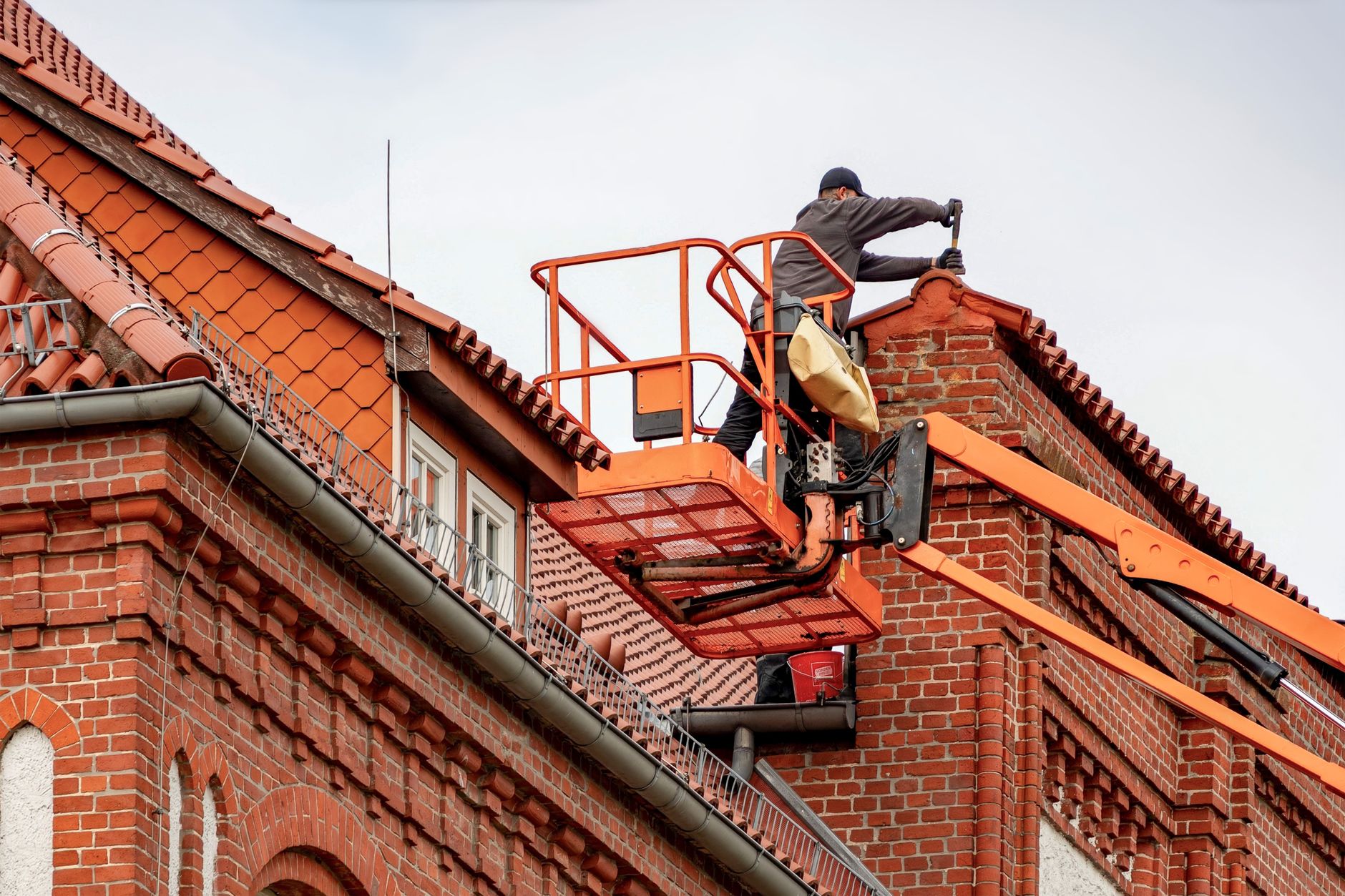
- Working at height: if you use ladders or water fed pole systems, ladder safety and working at height training is strongly advisable.
- End of tenancy: no formal course exists, but a documented checklist aligned to agent expectations does a similar job.
These specialist cleaning qualifications usually pay for themselves faster than general ones, because they let you charge premium rates for work other cleaners will not touch.
What commercial clients and letting agents actually ask to see
When you tender for business work, the questions are fairly predictable. Being ready with answers makes you look like an established firm rather than someone winging it.
- Public liability and employers’ liability certificates with cover levels.
- Evidence of health and safety training and a sample risk assessment.
- COSHH arrangements and safety data sheets for your products.
- Whether staff are trained to a recognised standard such as BICSc.
- DBS status for anyone working in sensitive settings.
- References from similar sites, plus proof you are registered with HMRC or Companies House.
- Waste handling arrangements where relevant.
Notice that cleaning qualifications are only part of the picture. Paperwork, professionalism and references carry just as much weight. If you are aiming at this market, our guide to winning commercial cleaning contracts walks through the full process.
Which cleaning qualifications you can safely skip
Not every course advertised to cleaners is worth your money. Be wary of anything that promises a nationally recognised certificate with no assessment, costs hundreds of pounds for a one hour video, or invents a badge that no real buyer has heard of.
You can usually skip these for now:
- Generic online diplomas from unknown providers with no industry backing.
- Business or marketing courses dressed up as cleaning qualifications.
- Advanced commercial or supervisory training when you only clean houses.
- Anything you cannot clearly explain the benefit of to a paying customer.
A good test: would a facilities manager or letting agent recognise the name? If the answer is no, the certificate is mostly for your own confidence, which is fine, but price it accordingly.
How to budget for cleaning qualifications when starting out
Money is tight in year one, so sequence your training rather than buying everything at once. A sensible order for most new cleaning businesses looks like this.
- First: insurance, plus COSHH awareness and basic health and safety. Low cost, high usefulness.
- Second: any niche specific training your service actually needs, such as carpet or oven work.
- Third: first aid and DBS arrangements as you take on staff or sensitive sites.
- Fourth: BICSc or supervisory level cleaning qualifications when you are seriously chasing commercial contracts.
Prices change constantly and vary by provider and region, so always check current costs directly rather than relying on figures quoted in blog posts. Also check whether a course is assessed or attendance only, because buyers notice the difference.
Show your cleaning qualifications where customers can see them
Here is where a lot of cleaners lose the benefit they have paid for. They complete the training, file the certificate, and never mention it again. The customer deciding between three quotes has no idea you are trained.
Put your cleaning qualifications somewhere visible and keep them current:
- A short trust section on your website homepage listing training, insurance and checks.
- A line in every quote and email signature, such as COSHH trained and fully insured.
- Your Google Business Profile description and photos of your team in branded uniform.
- Van signage and uniforms where a recognised logo is permitted by the issuing body.
- A dedicated page if you hold several, so commercial buyers can check everything in one place.
Only claim what you hold, and respect the rules about using any body’s logo. Overstating your cleaning qualifications is the fastest way to lose trust, and it can create problems with advertising standards too. Being accurate also makes the rest of your marketing more believable, which is the point covered in our piece on how customers choose a cleaner.
How a website turns training into bookings
Training only earns money when prospects see it at the moment they are deciding. That usually happens on your website, after they have clicked through from Google or a recommendation and are quietly judging whether you look like a proper business.
A well built site puts your cleaning qualifications, insurance and checks on the page alongside your services, prices and reviews, so there is nothing left to worry about by the time someone fills in the contact form. That is exactly what we build for cleaning businesses: fully managed sites from from £24.99 +VAT/mo, where you tell us what you want and we do it for you. No logins, no fiddling with templates, no learning web design on a Sunday night.
If your focus is business clients, our commercial cleaning website design pages are set up for exactly the trust signals procurement teams look for, and you can compare what is included on our packages page.
Frequently asked questions
Do I need cleaning qualifications to start a cleaning business in the UK?
No. Cleaning is not a licensed trade, so you can legally start domestic cleaning without any formal training. You do need to register with HMRC, arrange insurance and work safely. Cleaning qualifications are about credibility and competence rather than permission to trade.
Which cleaning qualifications do commercial clients ask about most?
BICSc training is the name most recognised in commercial and facilities management circles, usually alongside COSHH awareness and general health and safety. Expect insurance certificates and risk assessments to be requested at the same time, often before anyone asks about training at all.
Are online cleaning qualifications taken seriously?
It depends entirely on the provider. Online COSHH and health and safety awareness courses from reputable training companies are widely accepted. Unassessed diplomas from unknown providers carry little weight with professional buyers, so check whether the body behind the course is one your customers would recognise.
Cleaning qualifications are worth having when they open doors, protect you and give customers a reason to choose you. The last step is making sure people actually see them. If you would like a professional, fully managed website that showcases your training, insurance and reviews without you ever touching a page, get in touch and tell us what you need. We will build it, host it, update it and keep it online so you can get on with cleaning.